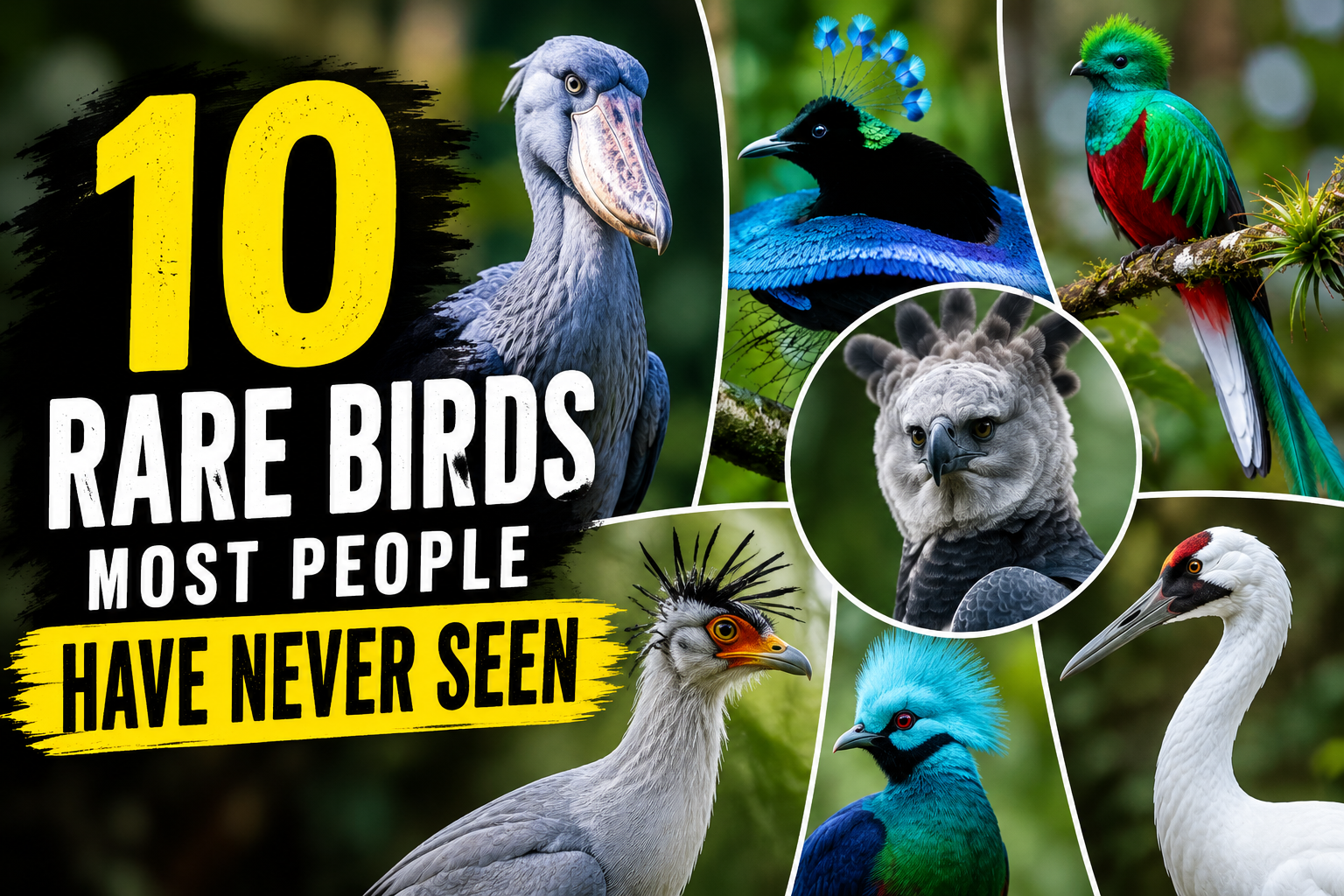
The world is home to thousands of bird species, from colorful parrots and tiny hummingbirds to powerful eagles soaring high above the mountains. But beyond the birds we commonly see, nature is hiding some truly extraordinary species.
Some live on remote islands. Others hide deep inside rainforests or survive in environments that few humans ever visit. Their unusual colors, remarkable features, and fascinating behaviors make them some of the most interesting creatures in the animal kingdom.
You may have seen a peacock or flamingo before—but how many of these incredible birds do you recognize?
Here are 10 rare and remarkable birds that many people may never get the chance to see in the wild.
1. Philippine Eagle
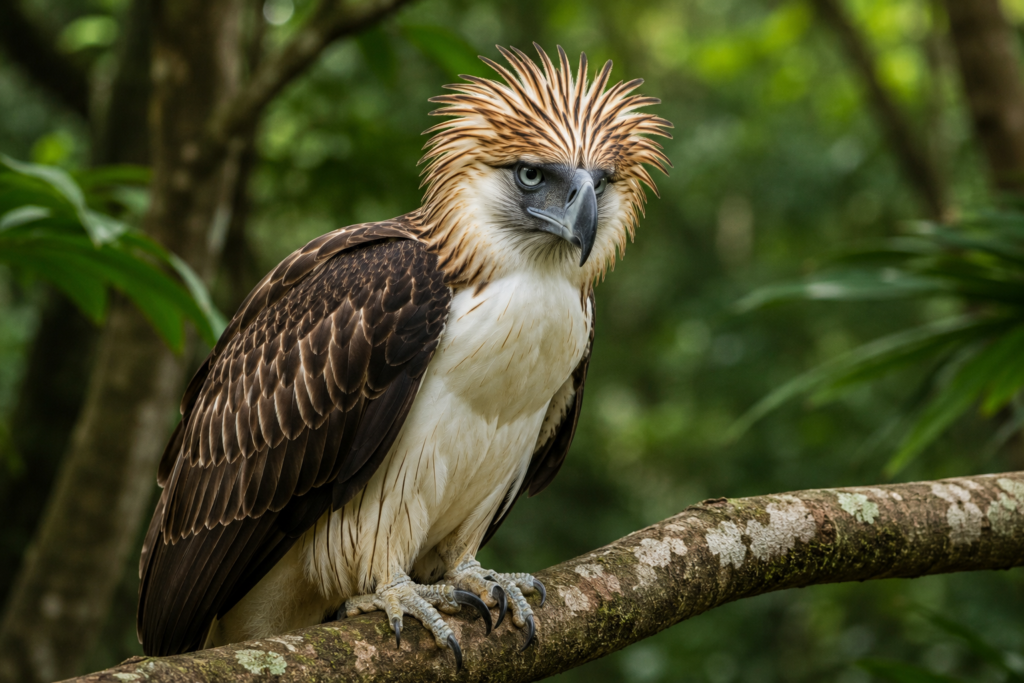
With its impressive crest and powerful appearance, the Philippine Eagle is one of the world’s most striking birds of prey.
Found only in the Philippines, this magnificent eagle lives primarily in forest habitats. Its distinctive crown of long feathers gives it an almost mythical appearance.
Unfortunately, habitat loss has made the species critically endangered. Conservation programs are working to protect the remaining population and preserve the forests it depends on.
Seeing one in its natural habitat is an experience very few people will ever have.
2. Kakapo
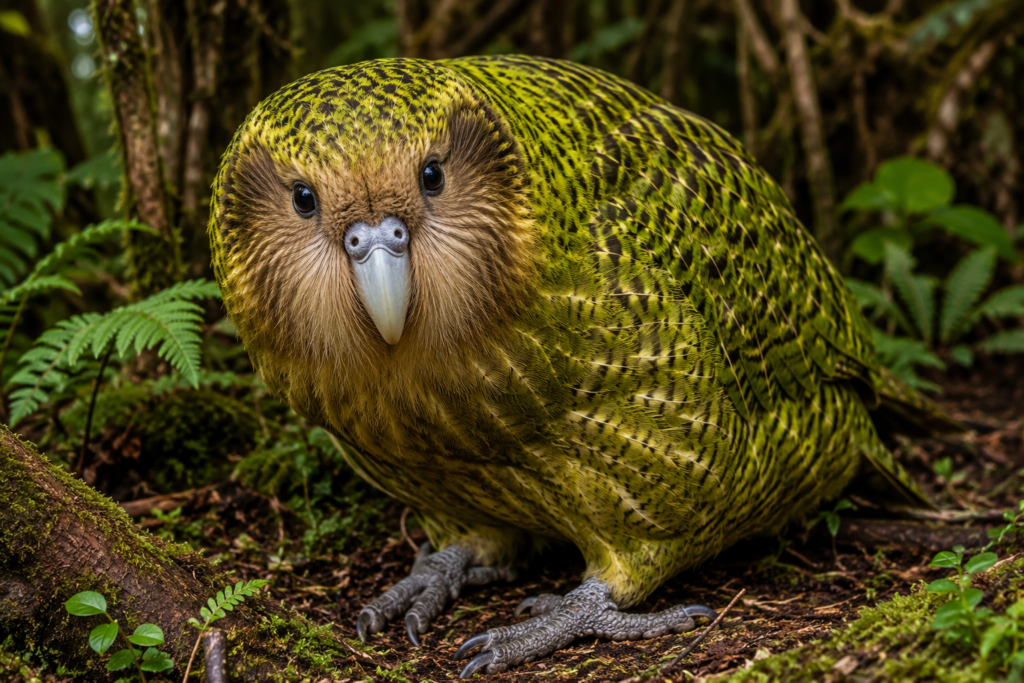
Imagine a parrot that cannot fly and prefers exploring the ground at night.
Meet the Kakapo.
Native to New Zealand, this unusual nocturnal parrot has soft green feathers that help it blend beautifully into its surroundings. Unlike most parrots, the Kakapo is flightless.
It is also one of the world’s rarest birds. Intensive conservation efforts have helped protect the surviving population, making the Kakapo an extraordinary example of wildlife conservation.
3. California Condor
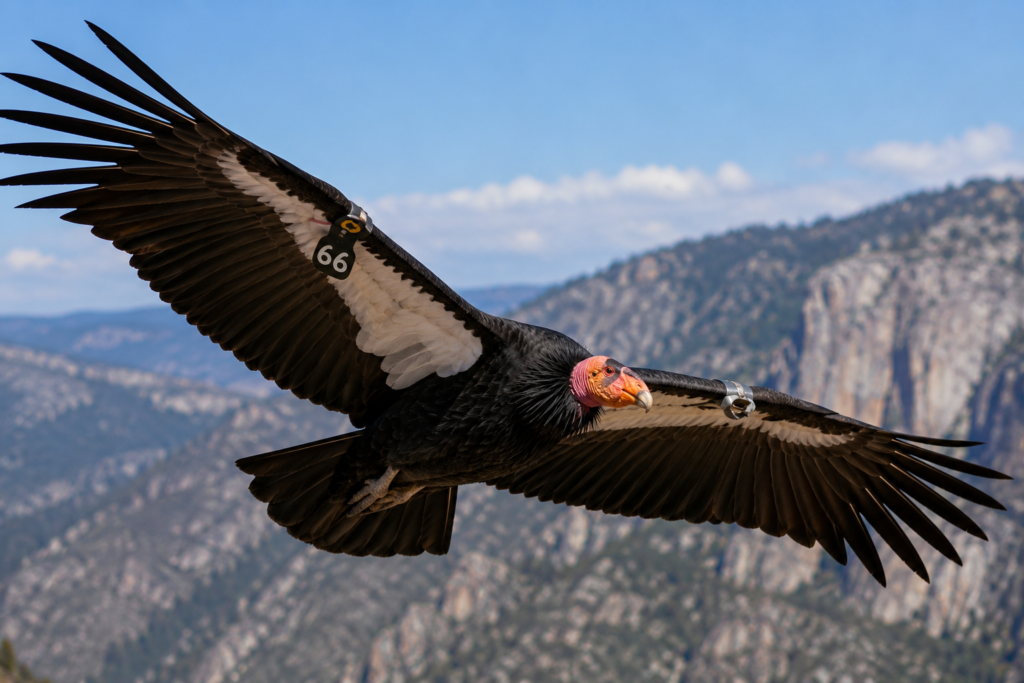
Few birds create a more impressive sight in the sky than the California Condor.
With an enormous wingspan, this remarkable bird can glide across vast distances while barely moving its wings.
The species once came dangerously close to disappearing, but a major conservation and captive-breeding program helped increase its population.
Today, seeing a California Condor soaring overhead remains a rare and unforgettable wildlife experience.
4. Shoebill
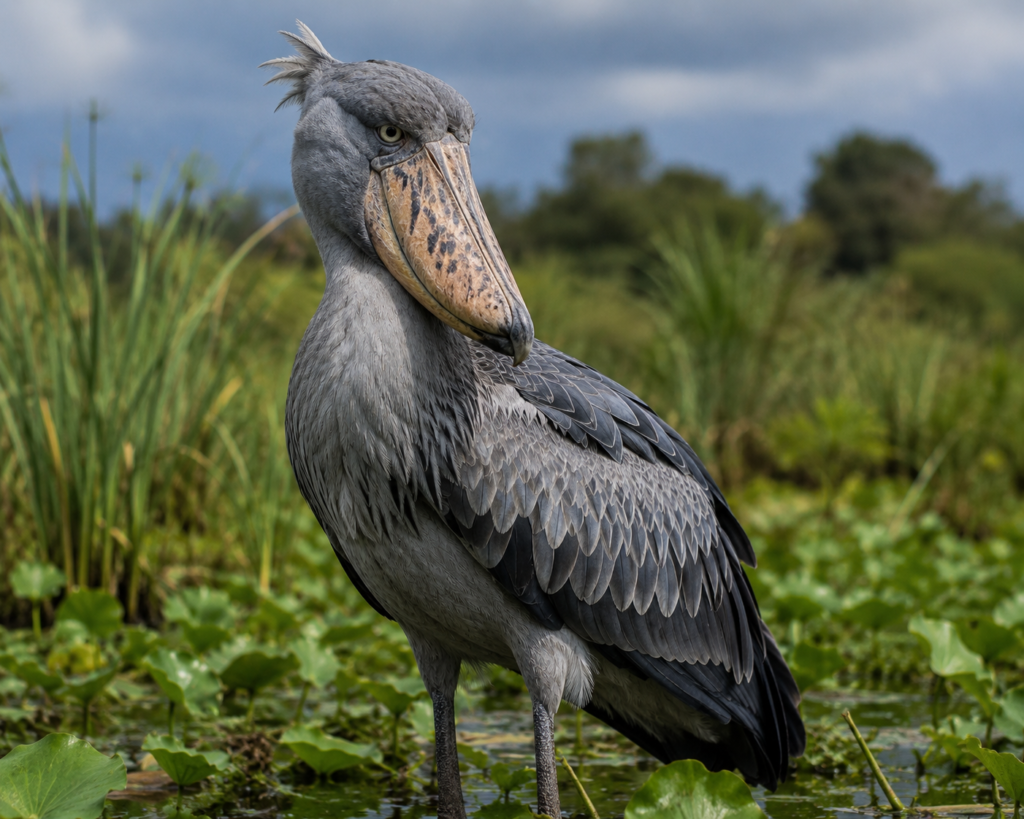
If there is one bird that looks like it belongs in another era, it might be the Shoebill.
Its most recognizable feature is its enormous shoe-shaped bill. Combined with its tall body and intense stare, the Shoebill has an appearance unlike almost any other bird.
It lives in freshwater wetlands and swamps in parts of tropical East Africa, where it often stands remarkably still while searching for prey.
Its prehistoric appearance has made it one of the internet’s most fascinating birds.
5. Harpy Eagle
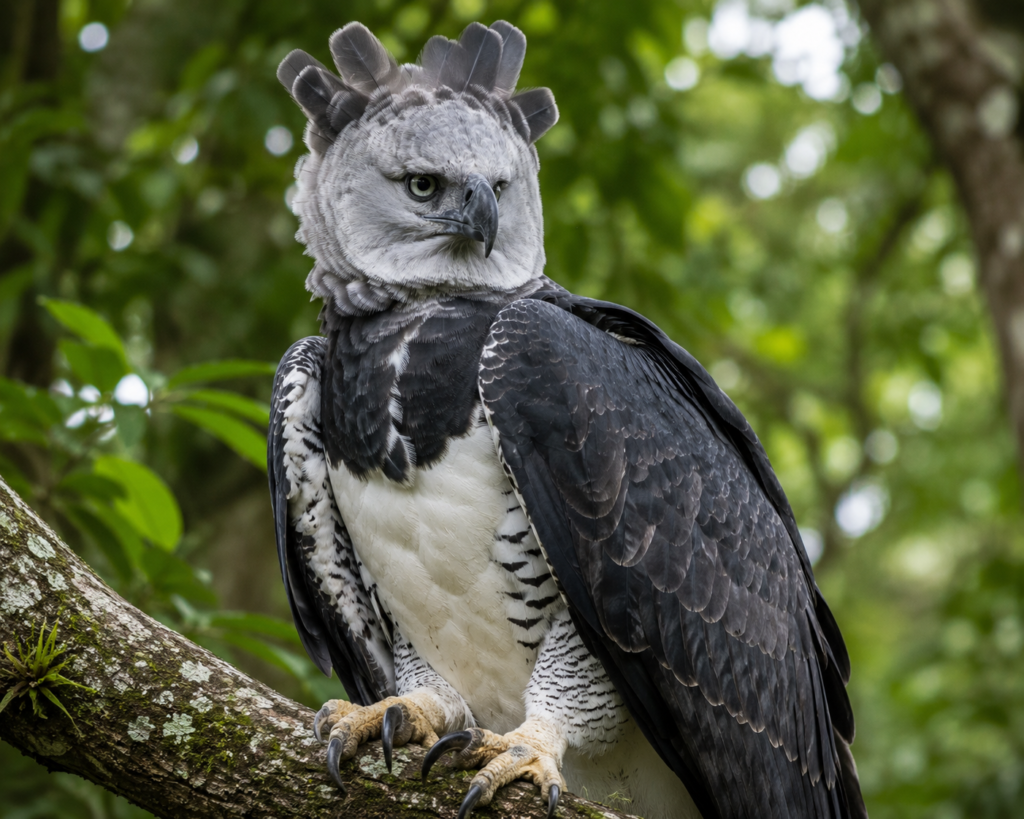
Deep in the tropical forests of Central and South America lives one of the world’s most powerful eagles.
The Harpy Eagle has enormous talons, a distinctive feathered crest, and an impressive presence.
Despite its size, spotting one in the wild can be extremely difficult. These birds depend on large areas of healthy forest, and habitat destruction remains a significant concern.
For wildlife enthusiasts and birdwatchers, seeing a Harpy Eagle is an unforgettable moment.
6. Great Blue Turaco
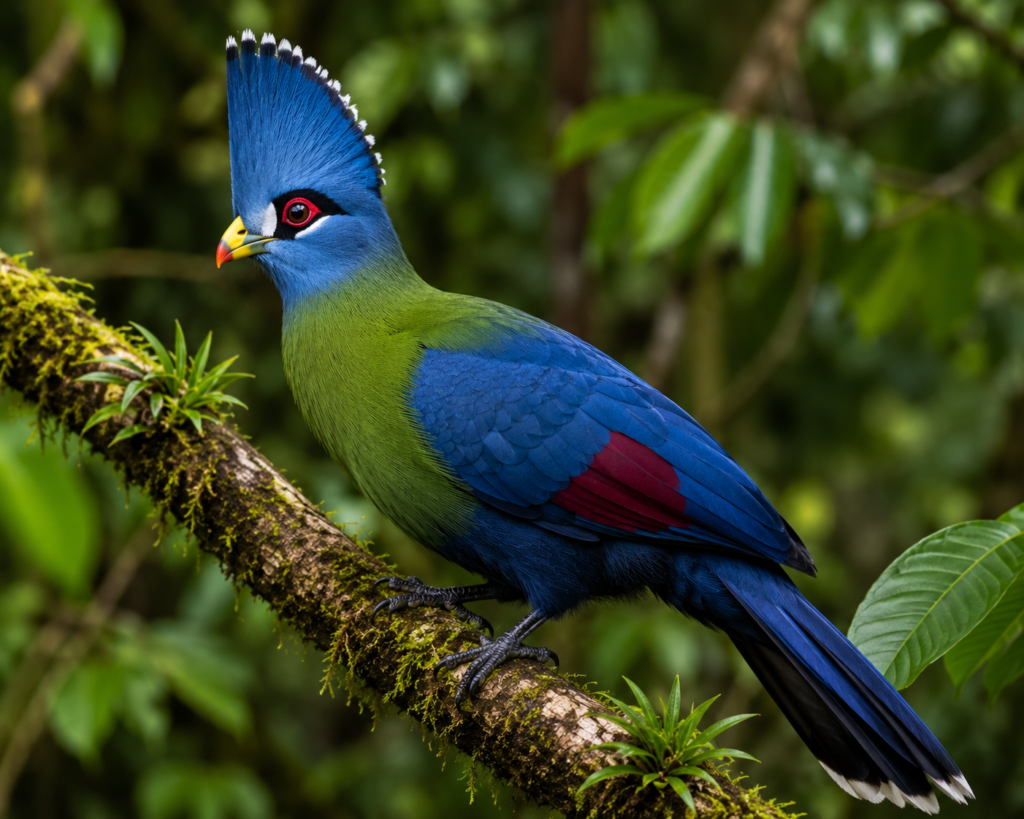
Nature seems to have used an entire palette of colors when creating the Great Blue Turaco.
Found in parts of Africa, this beautiful bird is known for its striking combination of blue, green, yellow, and other colorful details.
Its prominent crest makes its appearance even more distinctive.
While it may be seen in suitable forest habitats within its range, many people outside Africa have never encountered one, making it an exciting discovery for bird lovers around the world.
7. Secretarybird
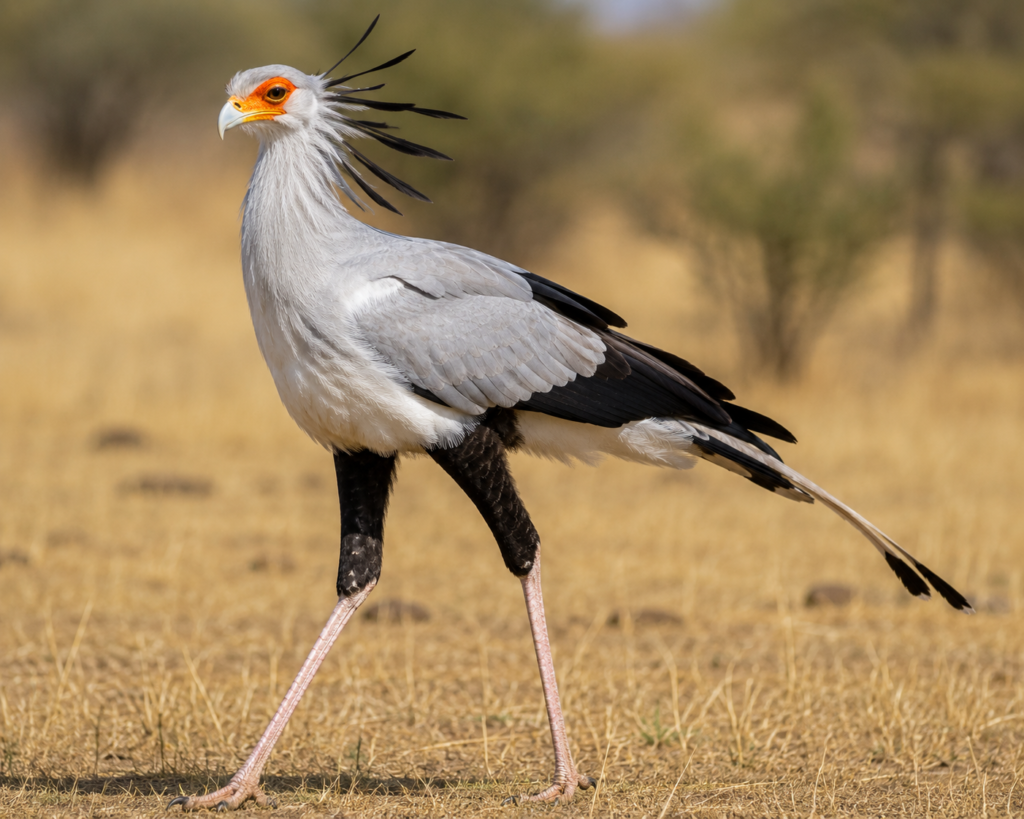
At first glance, the Secretarybird looks almost like a combination of an eagle and a crane.
This remarkable African bird has long legs, a powerful body, and distinctive feathers behind its head.
Unlike many birds of prey that hunt primarily from the air, Secretarybirds spend significant time walking across open grasslands searching for food.
Their unique appearance and unusual hunting style make them one of the most recognizable birds in Africa.
8. Resplendent Quetzal
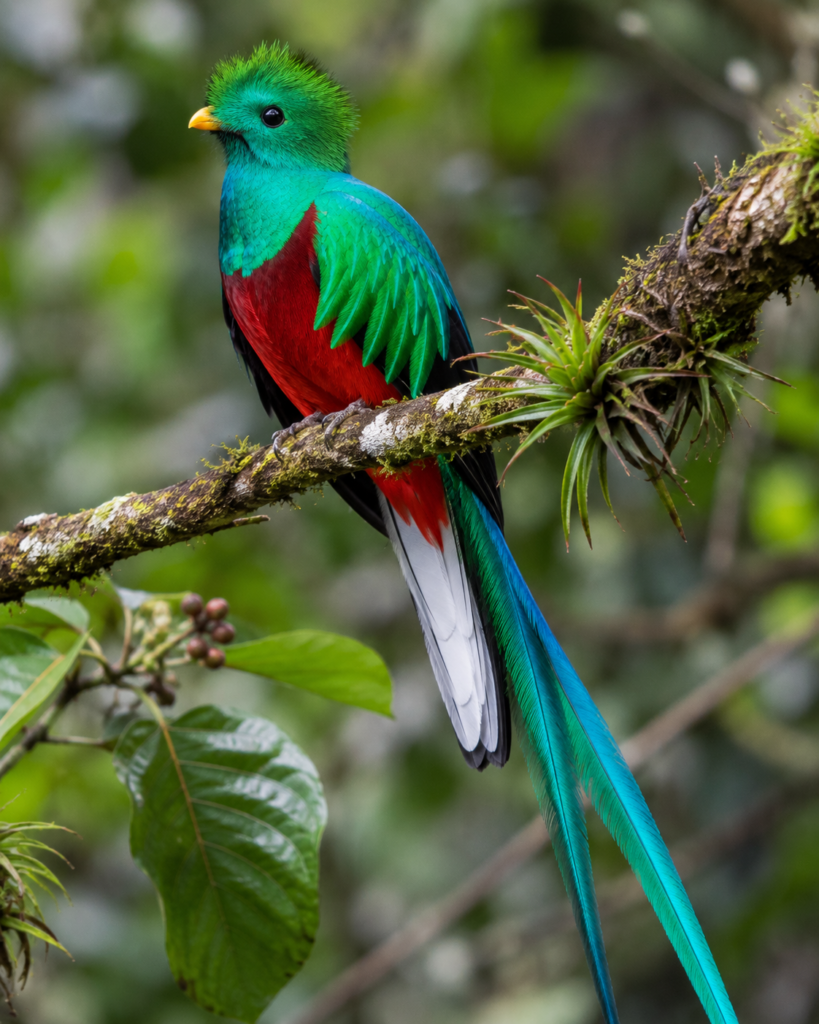
Few birds have a name that matches their appearance as perfectly as the Resplendent Quetzal.
Found in the cloud forests of Central America, this spectacular bird is famous for its brilliant green plumage and striking red chest. Males can develop exceptionally long tail feathers, creating an unforgettable sight.
The bird also has deep cultural importance in parts of Central America.
Spotting one among the dense green forest can feel like discovering a hidden jewel.
9. Blue Bird-of-Paradise
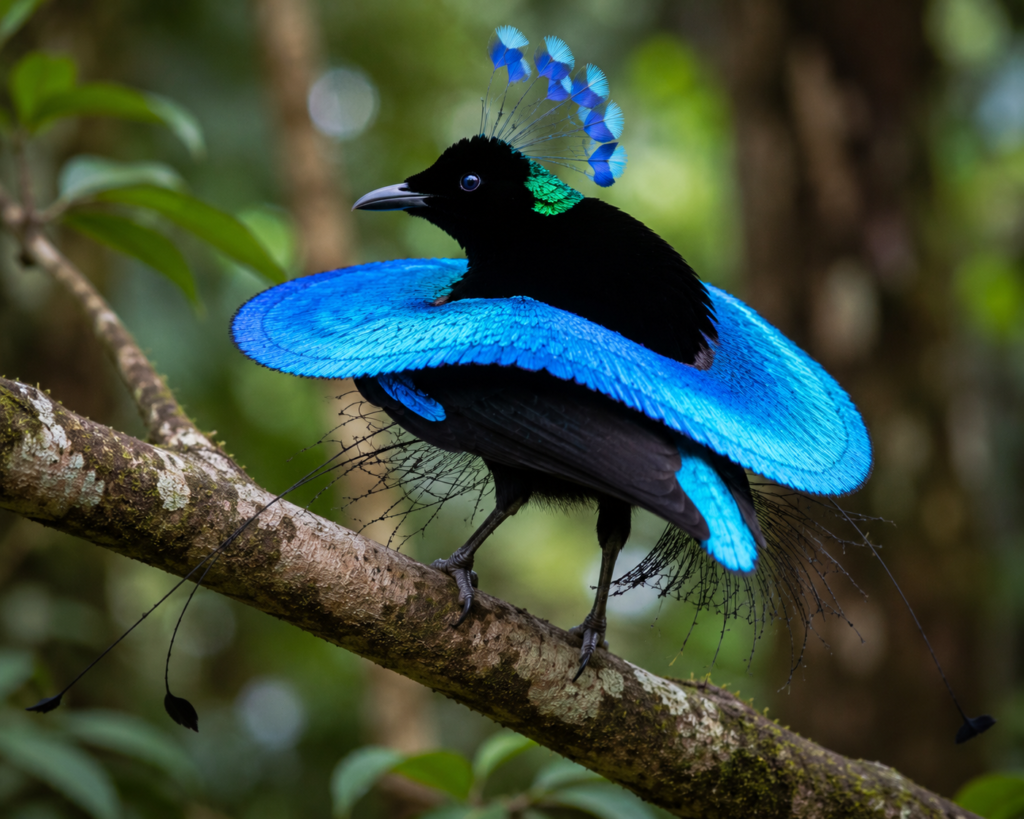
Birds-of-paradise are famous for their extraordinary colors and elaborate courtship displays, and the Blue Bird-of-Paradise is no exception.
Native to Papua New Guinea, this remarkable species features beautiful contrasting colors and distinctive ornamental feathers.
Its remote habitat means that most people will never encounter one outside photographs or wildlife documentaries.
The incredible appearance of birds-of-paradise is a reminder of just how creative evolution can be.
10. Whooping Crane
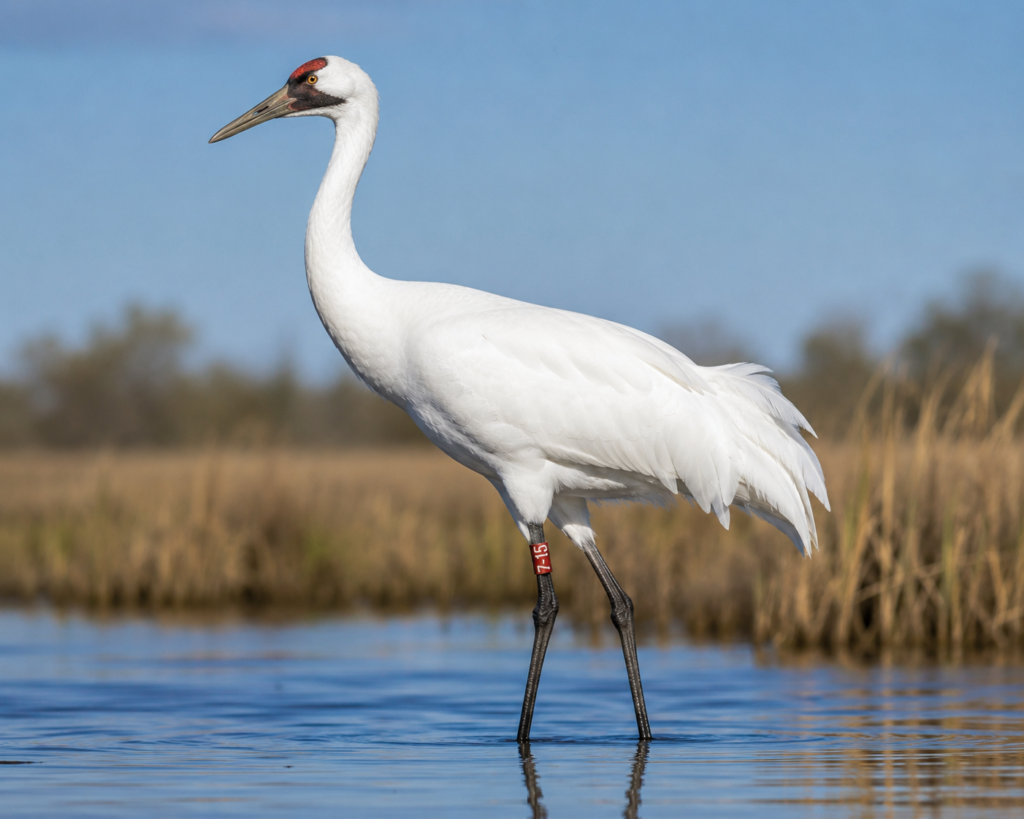
Tall, elegant, and instantly recognizable, the Whooping Crane is one of North America’s most notable conservation stories.
Its white body, long legs, and distinctive markings create a graceful appearance.
The species experienced a dramatic population decline in the past, but decades of conservation work have supported its recovery.
Although challenges remain, its story demonstrates how dedicated wildlife protection can make a meaningful difference.
Why Protecting Rare Birds Matters
Rare birds are more than beautiful creatures to admire.
Birds play important roles in ecosystems. Depending on the species, they may spread seeds, pollinate plants, control insect populations, or contribute to healthy food webs.
Unfortunately, many bird populations face threats from habitat loss, environmental changes, invasive species, and other human-related pressures.
Protecting natural habitats is therefore essential—not only for rare birds but for countless other plants and animals sharing the same ecosystems.
Final Thoughts
From the flightless Kakapo to the prehistoric-looking Shoebill, our planet is filled with birds that seem almost too extraordinary to be real.
Some impress us with brilliant colors. Others surprise us with unusual behaviors or remarkable survival stories.
Most of us may never encounter these birds in the wild, but learning about them helps us appreciate the incredible diversity of life on Earth.
And perhaps the most exciting thought is this: nature still holds countless surprises, and there is always something new waiting to be discovered.